Moneylender registered in the Republic of Singapore License No. 149/2022
Moneylender registered in the Republic of Singapore License No. 149/2022
Financial stability is less about how much money you make and more about how you manage and use what you already have. Many people assume that earning a higher income is the only path to security, but the truth is, without proper money management, even large paychecks can slip away as quickly as they come. What truly makes the difference is clarity.
Key Takeaway:
Financial stability is less about how much money you make and more about how you use what you already have. Many people assume that earning more is the only way to feel secure, but in reality, a clear budget can transform even a modest income into a reliable financial foundation.

A budget is like a map for your financial journey. Without it, you’re driving blind, unsure of whether you’ll reach your goals or run out of fuel along the way. With it, you gain direction and clarity. Budgeting helps you allocate resources wisely, reduces the stress of not knowing where your paycheck disappears, and allows you to make consistent progress toward your short- and long-term goals.
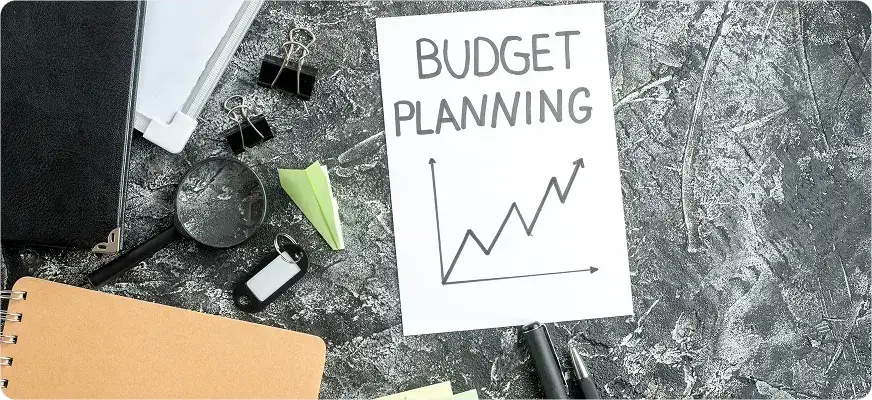
When you start budgeting, the improvements may not appear instantly — but with patience, you’ll notice benefits building over time.
Budgeting is a habit, and like any habit, its effects grow with consistency.
The very first step is to know your numbers. Write down every source of income you receive: your salary, freelance gigs, side hustles, or rental income. Then list your expenses, separating them into needs, wants, and debts.
The clearer your map, the easier it is to spot leaks.
This rule is a classic for a reason: it’s simple yet effective.
| Category | Percentage | Examples |
|---|---|---|
| Needs | 50% | Rent, groceries, utilities, transport |
| Wants | 30% | Shopping, entertainment, hobbies |
| Savings & Debt Repay | 20% | Emergency fund, investments, loan payments |
Even if you can’t match the percentages exactly, the framework helps you balance between living today and preparing for tomorrow.
Debt is like carrying a backpack filled with rocks — the longer you carry it, the heavier it feels. To lighten the load, pick one strategy and stick to it:
Whichever you choose, consistency is what matters most.
Unexpected events are part of life — job loss, medical bills, or sudden repairs. Without a cushion, many turn to high-interest loans or credit cards, creating a cycle of stress. Aim for 3–6 months of essential expenses in an easy-to-access account. Start small: even $10 a week adds up to more than $500 in a year.
These resources aren’t just accessories — they’re accountability partners.
Budgeting is not about perfection. It’s about progress. Even if you make mistakes, every attempt strengthens your awareness and discipline. Over time, those small adjustments snowball into big financial wins.
Start today: write down your income, your expenses, and your goals. Build your first budget, however imperfect. The future version of you — debt-free, secure, and confident — will be grateful you started now.
Action Step: Open a notebook or app right now and list your top three spending categories. Congratulations — you’ve just taken the first step toward financial stability.



Liliana Wang is a financial writer and consultant with a strong background in personal finance, lending practices, and money management.
At U-Credit, her goal is to empower readers with transparent, practical insights that lead to smarter financial choices and long-term stability.
Wondering where all of your money goes each month? If you’re one of the nearly 30% of Americans who live without a monthly budget, then you’re not alone.

Running a business comes with cash flow challenges. Discover how SME loans can provide the support you need to manage operations, invest in growth, and seize opportunities—all while staying compliant with Singapore regulations.
With U-CREDIT, you’re never alone — we make borrowing safe and stress-free.

 Check My
Eligibility